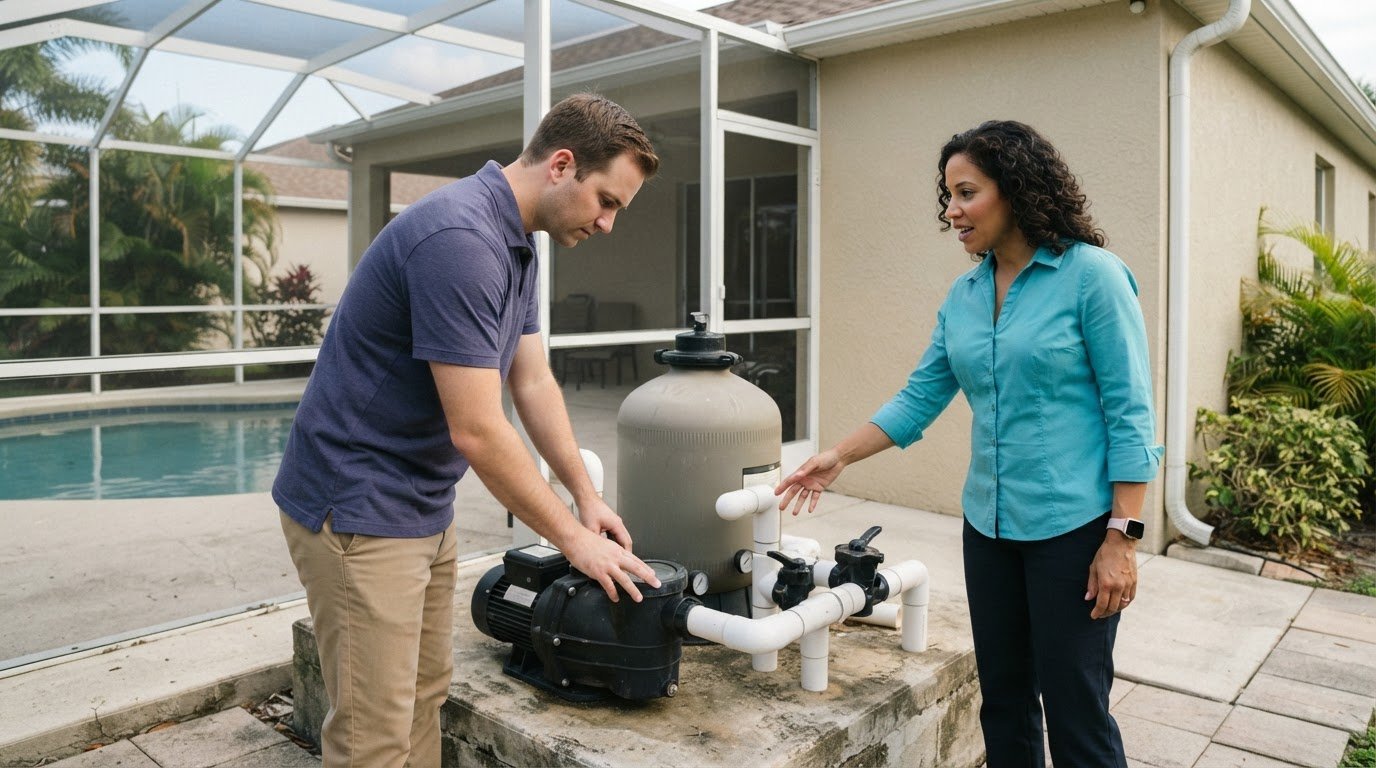
The most attractive property isn’t always the strongest investment. Common mistakes first-time real estate investors make include choosing a property without clear goals, relying on optimistic income projections, overlooking contract terms and local responsibilities, and expanding too quickly without considering diversification. A sound first purchase starts with a strategy, careful research, and a realistic view of risk.
It’s natural to focus on the property, but the decision also affects your finances, time, risk tolerance, and plans for managing the investment. This guide explains how to align a purchase with your goals, assess a market and landlord responsibilities, review a real estate contract carefully, and consider diversification before adding properties. A clear process helps you make deliberate choices and spot potential issues early.
Key Takeaways
- Set an investment strategy around your goals, risk tolerance, and capacity before committing to a property.
- Assess local market conditions and account for landlord responsibilities and ongoing expenses when evaluating a rental.
- Build a capable real estate team so contract questions and property decisions get informed attention.
- Expand your portfolio thoughtfully, based on whether your experience, resources, and investment goals support another property.
1. Matching an investment strategy to personal goals and risk tolerance
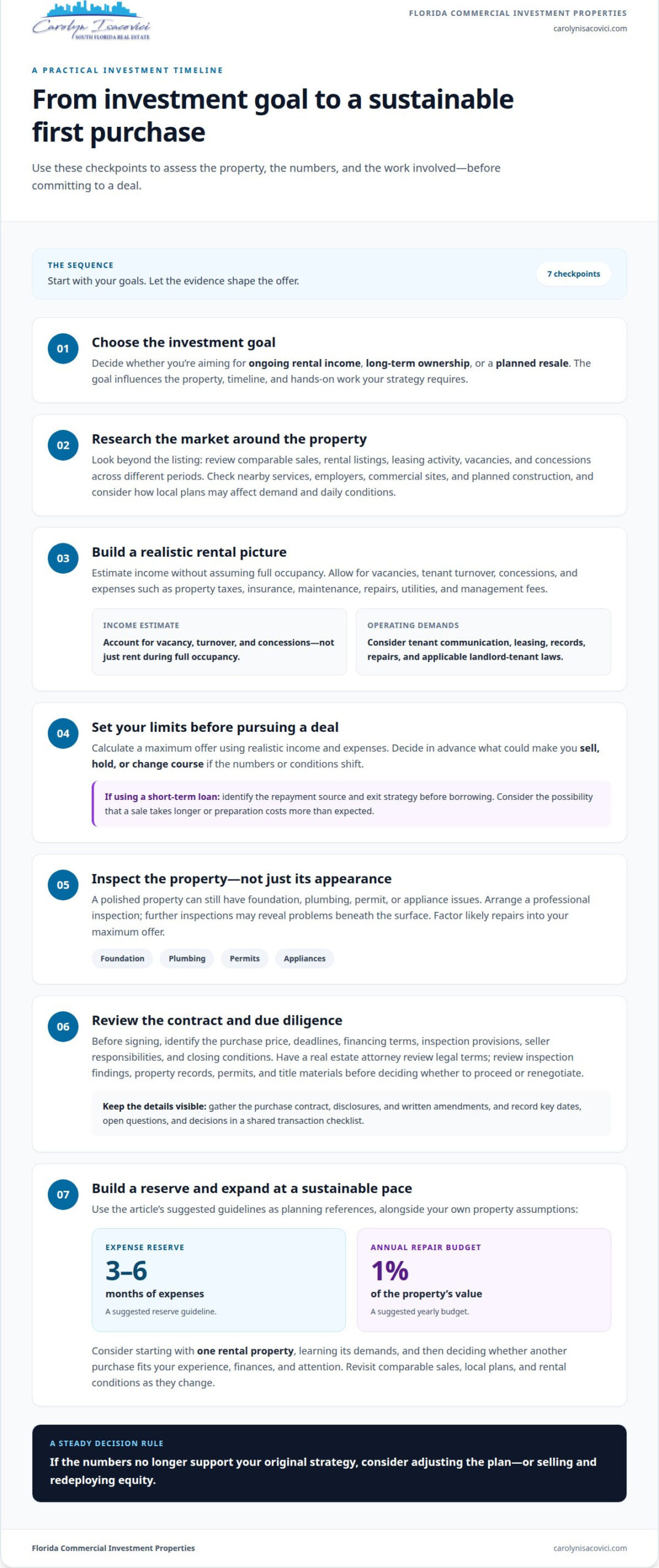
Start with your goal: ongoing rental income, long-term ownership, or a planned resale. Each goal shapes the property, timeline, and level of hands-on work your strategy requires. For a first investment, consider starting with one rental property, learning its demands, then deciding whether another purchase fits. Buying several properties before understanding vacancies, repairs, and management can strain both your finances and your attention.
Set your limits before pursuing a deal. Calculate a maximum offer using realistic income and expenses, then define the conditions that would make you sell, hold, or change course. For a short-term loan with a private lender such as Applewood Funding Inc, establish the repayment plan and exit strategy before borrowing. Identify the intended repayment source, such as a sale or another financing arrangement, and consider what happens if the property takes longer to sell or costs more to prepare than expected.
Compare properties by the numbers, not curb appeal. A polished house may feel safer than a duplex, but its appearance won’t reveal possible foundation, plumbing, permit, or appliance issues. A professional inspection can identify visible problems, while further inspections may uncover issues beneath the surface. Factor likely repairs into your maximum offer instead of assuming you can absorb every unexpected expense later.
Build a reserve and review your assumptions regularly. One suggested guideline is to hold reserves equal to 3-6 months of expenses; a suggested annual repair budget is 1% of the property’s value. Project rental income with vacancies, tenant turnover, and concessions included, rather than relying on full occupancy. Monitor comparable sales, local plans, and rental conditions as they change. If the numbers no longer support your original strategy, consider adjusting the plan or selling and redeploying equity. Avoiding these biggest mistakes starts with choosing a pace and risk level you can sustain.
2. Researching markets, landlord duties, taxes, and legislation
Research the neighborhood around each Miami property, not just the listing. Map nearby grocery stores, hospitals, major employers, commercial sites, and planned construction. Review local plans for the property’s area and nearby areas, since future development can affect demand and daily conditions. Ask why the seller is moving and when they bought the property; these details add context to its history.
Build a market picture using comparable sales and local professionals. Compare properties with similar locations and features, then assess whether the asking price and expected rent fit current conditions. Seasonal market dynamics matter, too: track rental listings, leasing activity, vacancies, and concessions across different periods. A projection based on one busy stretch may not reflect demand throughout the year.
Account for property taxes, insurance, maintenance, repairs, utilities, and management fees, including during vacancies. Landlords may also need to market vacancies, screen tenants, coordinate repairs, keep records, respond to concerns, and understand applicable landlord-tenant laws. Tax professionals can explain tax considerations, while property managers can clarify ongoing operating demands.
Should beginners manage a rental themselves? Self-management means handling tenant communication, leasing tasks, records, and repairs. A property manager can take on management responsibilities. Choose by comparing the time, skills, and oversight you can consistently provide with the property’s needs.
How should you calculate cash flow and expected return? Estimate rental income, then subtract recurring expenses and allow for vacancies, tenant turnover, concessions, and repairs. Compare the results with your purchase assumptions, and revise them when local comparable sales or operating costs change.
Rental owners with a mortgage should obtain landlord insurance, which mortgage providers will almost certainly require. Consider flood insurance when the property’s location calls for it. According to the U.S. Census Bureau, title insurance can protect an owner against loss in a property ownership dispute.
3. What are some common mistakes that people make with real estate contracts?
A contract can shape costs, timing, and your options if a purchase changes course. Before signing, identify the purchase price, deadlines, financing terms, inspection provisions, seller responsibilities, and conditions for closing. Review each clause against your investment plan. For example, if expected profits depend on renting promptly, clarify the possession date and any agreed repairs.
Before closing, have a real estate attorney review the contract and its legal terms, and arrange a professional inspection and relevant due diligence. Review the findings, property records, permits, and title materials before deciding whether to proceed or renegotiate. Keep the purchase contract, disclosures, and written amendments together.
A reliable local team can help catch gaps a first-time buyer may overlook. A real estate agent can help assess the transaction and coordinate its moving parts; a lender can explain mortgage conditions; an attorney can review legal documents; and an inspector can evaluate the property’s condition. Tax professionals and property managers can offer practical insight into ownership costs and rental operations.
Choose professionals for the roles they perform, not because one person claims to cover every task. Ask each team member to explain their responsibilities, deliverables, and timing in plain language. Record key dates, open questions, and decisions in one shared transaction checklist. For example, both you and the professionals supporting the purchase should be able to see a financing deadline.
Plan for the work after closing, too. Contractors can estimate repairs identified during due diligence, while a property manager can help assess leasing and maintenance needs. Establish who will handle urgent repairs and how updates will reach you. A dependable team makes it easier to compare repair estimates with expected rental income, spot changes to your original plan, and protect projected profits without overlooking contract obligations.
4. Diversifying real estate investments
Diversification means reducing reliance on one property’s income, tenant profile, or local demand. Owning several similar rentals in one neighborhood can leave you exposed to the same market pressures. In Miami, compare property type, location, likely tenant demand, and operating needs before treating another purchase as a distinct opportunity. Different addresses alone don’t necessarily create a balanced portfolio.
Map the sources of risk across your holdings. For each property, record its income, expenses, tenant demand, repair needs, and dependence on local conditions. Then identify where those factors overlap. For example, if two properties rely on similar tenants in the same area, a shift in demand could affect both. A property with different operating needs may change the mix, but only if its numbers and condition support your goals.
Look beyond projected values. Compare actual operating performance with your assumptions, including vacancies, repairs, and management demands. A property that appears to add income may also bring expenses or responsibilities that strain your time. Use inspections and property records to understand what each investment adds, then compare its risks with those already in your portfolio. The goal is a deliberate balance, not simply a larger number of properties.
Expand only when your knowledge, skills, desire, and costs support the next purchase. Review how your current property performs through different leasing conditions, and assess whether you can manage the additional workload. If you’re considering another Miami investment, first define what exposure you want to reduce and what new risks you’re willing to accept. Explore investment property opportunities with that portfolio goal in mind.
Florida Commercial Investment Properties: Residential Real Estate Sales
Florida Commercial Investment Properties supports buyers pursuing residential real estate sales when they’re evaluating a home as an investment or considering a new property for their portfolio. Its investment property sales service is a natural next step when your goals, market research, and risk tolerance point toward exploring a specific opportunity.
Whether you’re considering an existing residence or a new construction home, bring your priorities into the search: intended use, investment timeline, and the features that matter to your plan. Commercial property sales may also fit your investment direction. The right starting point depends on the property type you’re considering and how it aligns with your strategy.
When you’re ready to discuss a potential purchase, contact Florida Commercial Investment Properties to explore your real estate sales options.
Make your next investment decision with purpose
Your next move doesn’t have to be another purchase. It might be taking time to strengthen your plan, learning from your first property, or pursuing an opportunity that better fits your goals. Common mistakes first-time real estate investors make often begin when momentum replaces a clear reason to buy. Let your priorities, capacity, and investment thesis guide the timing.
When you’re ready to explore a property, Florida Commercial Investment Properties offers commercial property sales, residential real estate sales, and new construction homes. These options can support different investment directions, whether you’re evaluating a commercial asset, a residence, or a newly built home. Choose the path that aligns with the next step you’ve defined.
Contact Florida Commercial Investment Properties to discuss your real estate plans. A thoughtful decision today can help you move toward your investment goals with greater clarity and confidence.
Frequently Asked Questions
What are some common mistakes that people make with real estate contracts?
Common contract mistakes include relying on verbal promises, overlooking deadlines, and accepting unclear wording about repairs or possession. In a Miami purchase, have any agreed change recorded in a signed contract amendment rather than relying on a conversation or text. Before signing, understand what happens if a deadline is missed or a stated condition isn’t met, and keep the final documents together.
Is an all-cash offer better than getting a mortgage?
Not automatically. An all-cash offer avoids mortgage conditions, but it also commits more of your available funds to one property. A mortgage may preserve cash for repairs, vacancies, or other investments, while adding repayment obligations and lender requirements. Compare both options using the property’s expected income, expenses, and your remaining reserves. The better fit is the one that supports your investment plan without leaving you short on liquidity.
Is it worth making a lowball offer on a property?
A below-asking offer can make sense when comparable sales, the property’s condition, or documented repair needs support it. In Miami, base your offer on evidence rather than an arbitrary low figure. Explain how the property’s features and estimated work inform your offer, and be prepared for the seller to decline or counter. A disciplined offer protects your investment limits and keeps negotiation focused on the property.
What are the most common mistakes first-time real estate investors make?
Common mistakes first-time real estate investors make include treating projected rent as guaranteed income, underestimating the demands of property ownership, and buying without a clear plan for changing circumstances. Another trap is letting excitement override the investment criteria you set before touring a property. For example, a home that feels appealing may not suit your rental strategy. Keep a written decision framework and assess each opportunity against it.
What expenses do new landlords often overlook when estimating investment property costs?
New landlords may overlook the cost of preparing a unit between tenants, such as cleaning, advertising, and replacing worn items. They may also miss expenses related to maintaining common areas or meeting an association’s requirements, when applicable. In Miami, include the property’s actual operating arrangements in your estimate, not just purchase and mortgage costs. Reviewing prior expense records can reveal recurring items that a listing won’t show.
How much should real estate investors budget for repairs, vacancies, and unexpected expenses?
One suggested reserve is 3-6 months of expenses, alongside a suggested annual repair budget of 1% of the property’s value. Treat these as separate planning tools: the reserve helps absorb interruptions such as vacancies, while the repair budget prepares for property upkeep. For a Miami rental, adjust your working estimates to reflect its condition, expected turnover, and actual operating expenses, then revisit them as those costs become clearer.